DMLS TI PFM
Direct Metal Laser Sintering (DMLS) Titanium (Ti) PFM restorations use laser-fused titanium frameworks layered with porcelain to deliver biocompatible, precise and durable implant-supported crowns and bridges. Available in the following configurations:
A. DMLS Cement Retained PFM (Direct Implant)
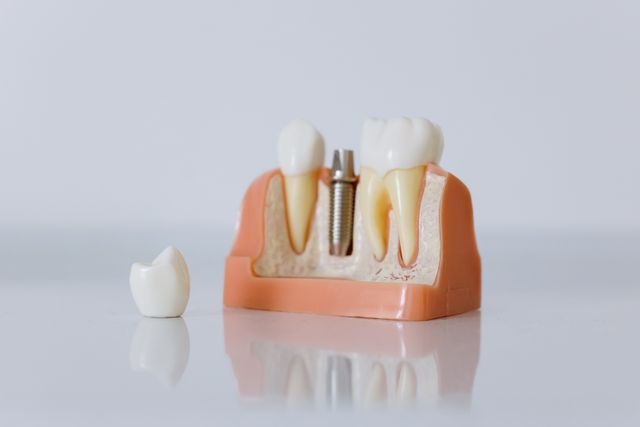
Cement-retained PFM on a titanium implant uses 3D printing to create a metal framework for a crown or bridge that is then covered with porcelain. The technique offers precision, strength, and aesthetic appeal, making it a popular choice for implant-supported restorations.
- An additive process that uses a laser to fuse powdered metal into a 3D structure, layer by layer, from CAD/CAM data.
- Titanium is used for the framework — valued for its biocompatibility, strength, and corrosion resistance.
- DMLS enables highly accurate, detailed frameworks with a good fit and marginal integrity.
B. DMLS Cement Retained PFM (Indirect Implant)
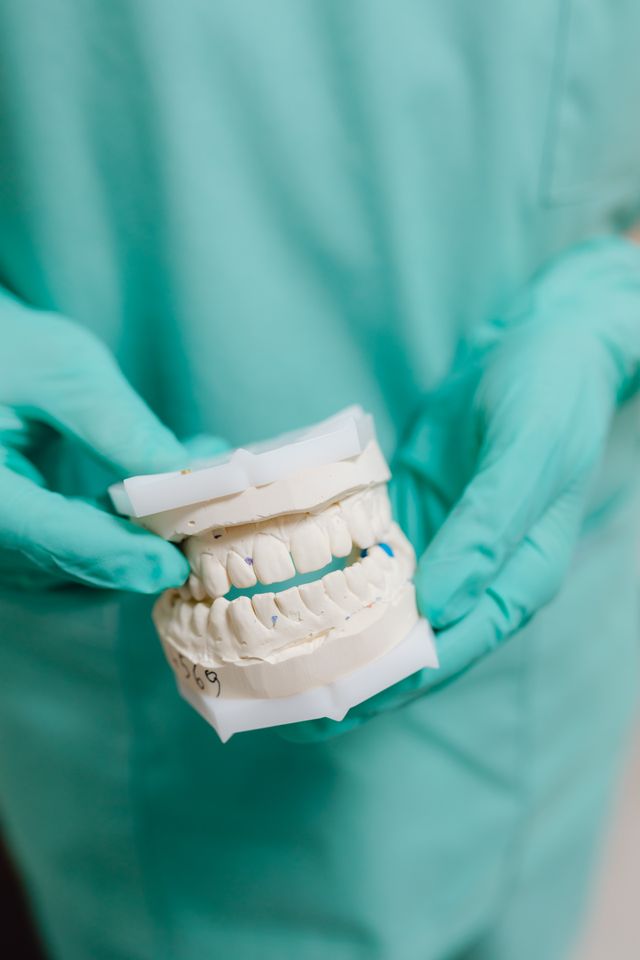
DMLS is a 3D printing technology used to create cement-retained PFM crowns for indirect implant restorations, with titanium as the metal component.
- The restoration is fixed to the implant abutment using dental cement rather than being directly screwed in, and is fabricated from an impression of the implant.
- Advanced technology produces a strong, accurate, and esthetically pleasing crown using a cement-retained approach.
C. DMLS Screw Retained PFM
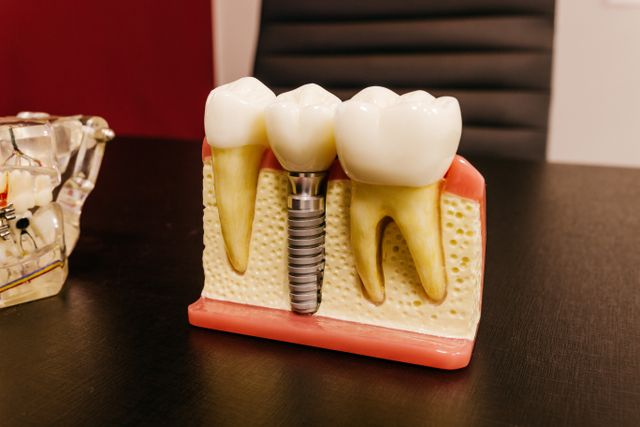
DMLS screw-retained PFM crowns made with titanium use 3D-printed metal frameworks layered with porcelain. Secured to the implant with a screw, they offer a strong, stable, and retrievable solution.
- A 3D printing process that fuses powdered metal into a specific shape with a laser.
- Titanium is biocompatible and widely used in implants and frameworks for its strength and corrosion resistance.
- Offers precision, strength, and a good fit with the aesthetics of porcelain; the screw-retained design adds retrievability and easy maintenance.
- Suitable for various implant cases, from single crowns to multi-unit bridges.
D. DMLS Basal Implant PFM
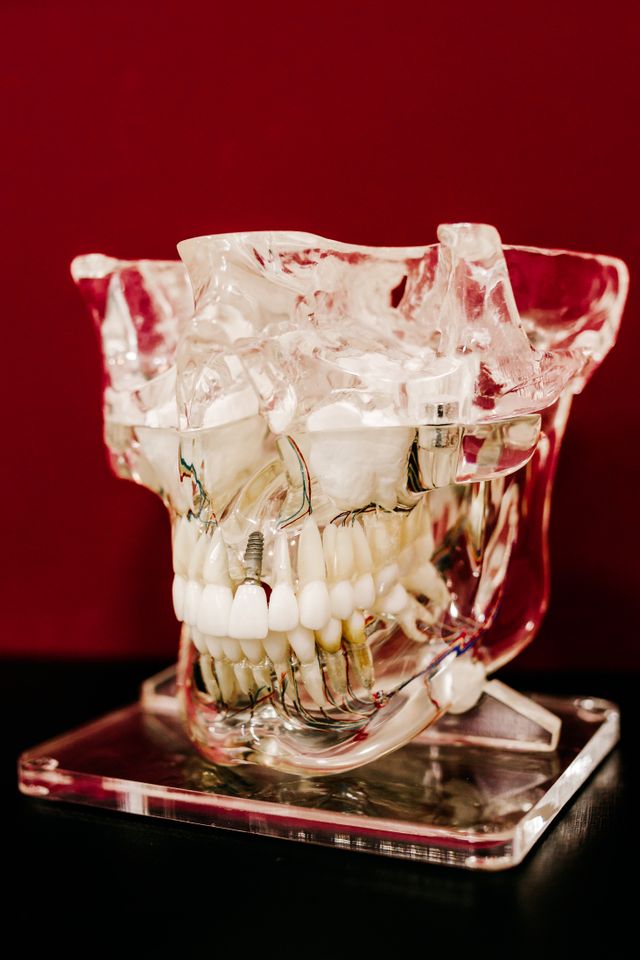
DMLS creates frameworks for PFM crowns and bridges, including those used with basal implants — a type of implant that anchors into the denser basal bone for support, often requiring unique designs. Titanium is the biocompatible metal used in the process.
- Used to create the metal framework for PFM crowns and bridges, including basal-implant cases, with accurate fit and marginal integrity.
- Enables highly detailed, accurate fabrication of restorations for both PFM and basal implants.
- Produces strong, durable metal frameworks essential for implant-supported restorations.
- Allows the use of biocompatible materials like titanium, ensuring patient safety and comfort.
E. DMLS Screw Retained Ti-Base PFM
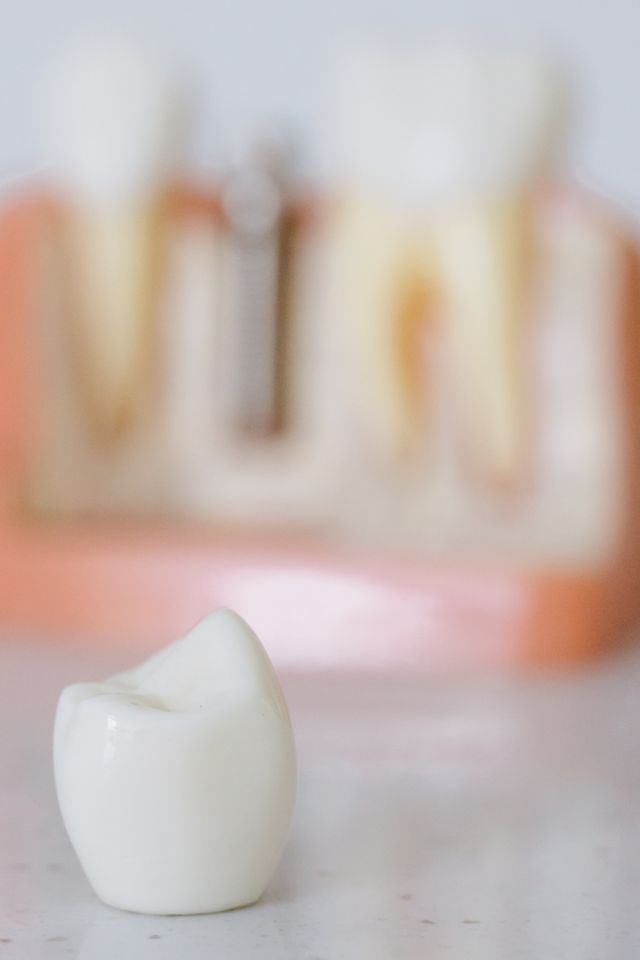
DMLS screw-retained PFM restorations with a Ti-base (titanium base) use a laser-sintered metal framework layered with porcelain, secured to the implant with a screw, using a titanium base as the interface between implant and crown.
- The titanium base acts as an abutment connecting the implant to the PFM crown — a strong, biocompatible, customizable foundation.
- In cases with limited space, UCLA abutments may be preferred over Ti-bases for their lower height.
- Screw retention offers retrievability, with a small risk of screw loosening or fracture (uncommon with proper design).
- PFM offers good aesthetics, though it may not match natural teeth as closely as some all-ceramic options.
F. DMLS Implant Metal
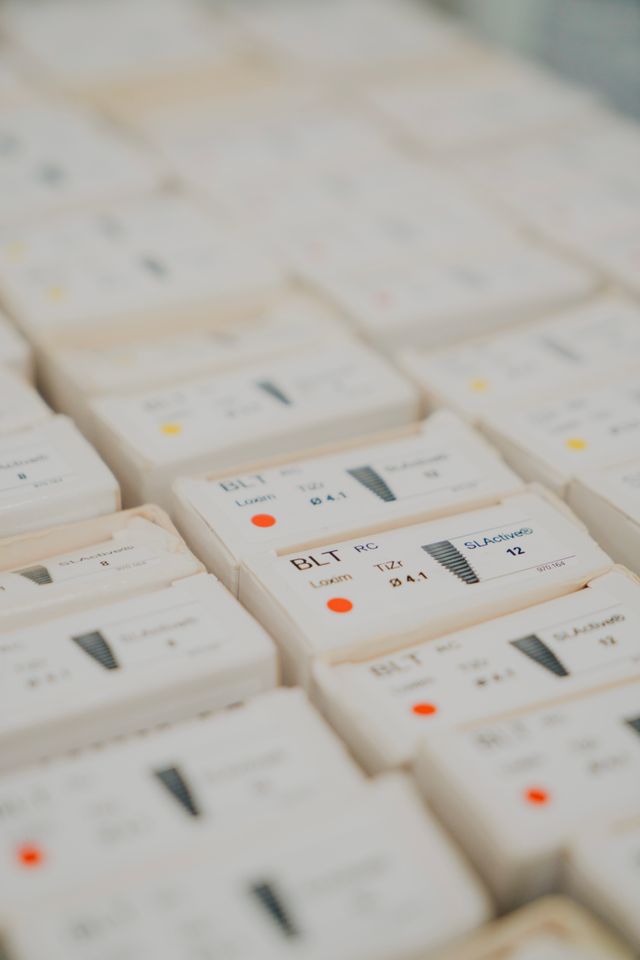
DMLS implants using titanium and its alloys are popular in dental and medical applications for their biocompatibility, strength, and 3D-printed customization. DMLS can create complex geometries and porous structures that enhance osseointegration.
- An additive (3D printing) technique that uses a high-powered laser to fuse powdered metal into shape, layer by layer, from a CAD design.
- Enables highly intricate, customized designs — crucial for implants where precise fit and functionality matter.
Interested in this service?
Send us your case or get in touch — our team replies within 2 hours during working hours.