Implant Frameworks
A range of implant-supported bar frameworks fabricated through milling and DMLS printing — each engineered for a strong, precise and biocompatible foundation for overdentures and fixed prostheses.
1. PEEK Milled Bar
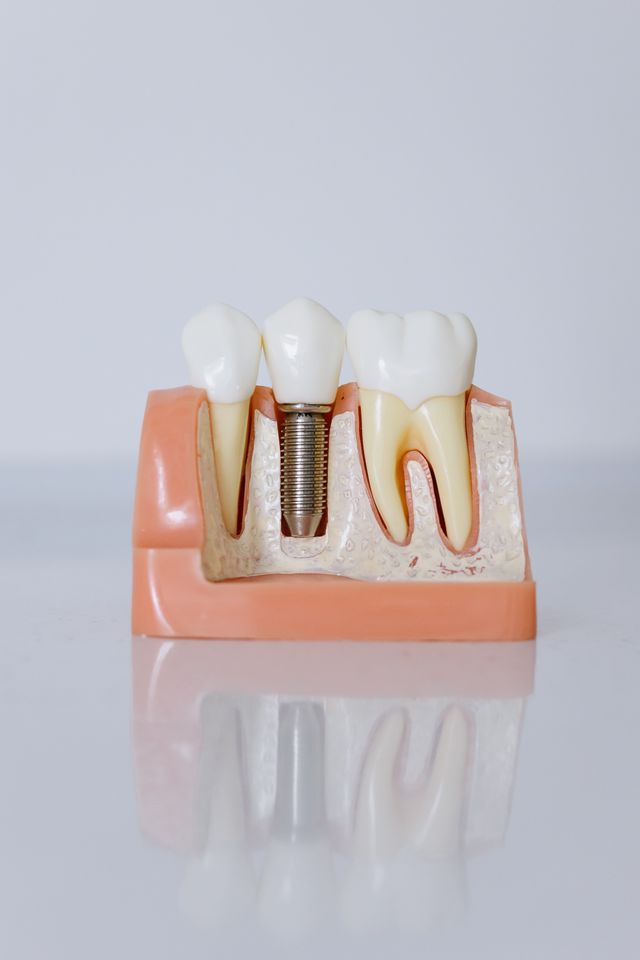
A milled PEEK bar is a dental prosthesis fabricated from Polyetheretherketone (PEEK) using a milling process. PEEK is a high-performance polymer known for its biocompatibility, mechanical strength, and resistance to wear and corrosion — used in overdentures to connect implants and support removable dentures.
- Commonly used in implant-supported overdentures — removable dentures that attach to dental implants.
- Connects multiple implants, distributing forces and providing a stable base for the denture.
- Can also be used to create female housings that attach to the bar and connect with the denture.
- PEEK’s elasticity helps distribute forces more naturally, potentially reducing stress on implants and surrounding bone.
2. Casted Milled Bar
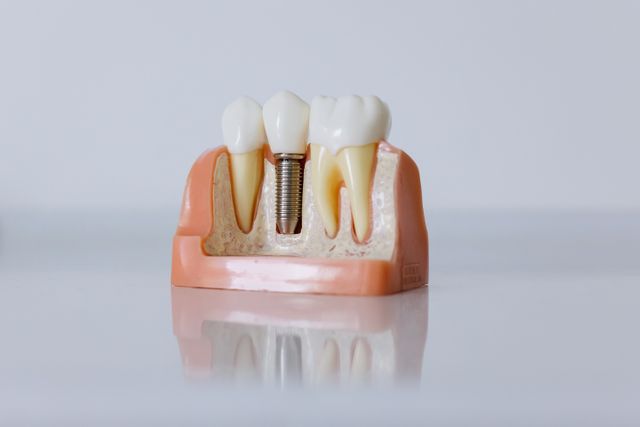
A casted milled bar is an implant-supported framework produced by traditional lost-wax casting and then refined by milling to achieve a precise, passive fit. Typically cast from a biocompatible alloy such as cobalt-chromium or gold, it splints multiple implants together and provides a stable, retentive base for an overdenture or fixed prosthesis.
- Waxed to the planned design, then cast from a biocompatible metal alloy using the proven lost-wax technique.
- Post-cast milling and finishing refine the contours and attachment seats for an accurate, passive fit.
- Connects two or more implants, distributing chewing forces evenly across the arch.
- Attachments such as clips, locators, or studs can be incorporated to securely retain a removable overdenture.
- Cast alloys offer proven strength, durability, and biocompatibility for long-term oral use.
- Improves denture stability, retention, and chewing function while helping preserve alveolar bone.
- A cost-effective, time-tested alternative to fully digital (DMLS or milled titanium) frameworks.
3. DMLS Co-Cr Bar
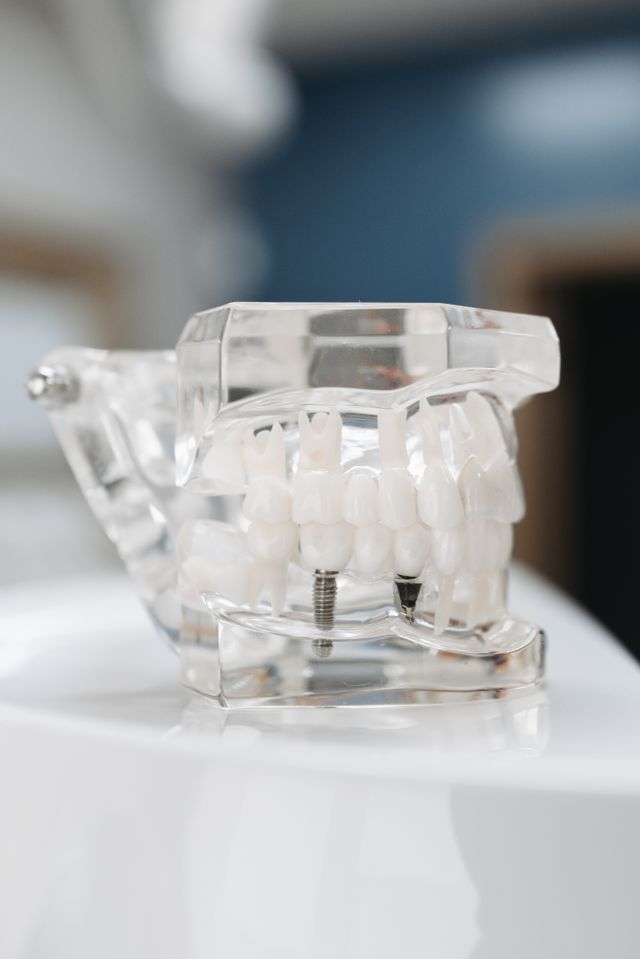
A DMLS (Direct Metal Laser Sintering) Co-Cr (Cobalt-Chromium) bar is an implant-supported framework used in overdentures and other restorations. Created using CAD/CAM technology and laser sintering, it results in a strong, precise, and biocompatible framework.
- A 3D printing process that uses a laser to fuse powdered Co-Cr alloy into a structure, layer by layer.
- The alloy is favored for its strength, biocompatibility, and resistance to corrosion.
- Designed to connect to dental implants surgically placed into the jawbone.
- Often takes the form of a bar that provides support and stability for an overdenture or prosthesis.
- CAD/CAM and DMLS technologies allow highly accurate, customized frameworks with a passive fit.
- Co-Cr provides the necessary strength and durability for long-term use in the oral environment.
- Biocompatible — minimizing the risk of adverse reactions in the patient.
- Frequently used to support removable overdentures with a stable, retentive base.
4. DMLS Ti Bar
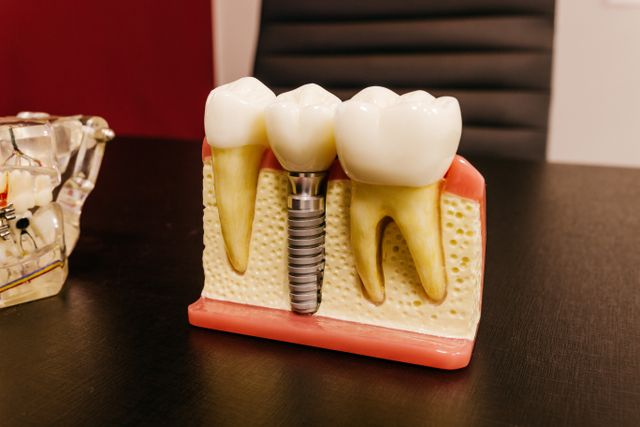
A DMLS Ti bar implant-supported framework is a dental restoration — typically a denture or bridge — constructed using DMLS technology with a cobalt-chromium alloy (Tibar). It provides a strong, precise base for supporting prosthetic teeth and is designed to be anchored to dental implants.
- Tibar is a cobalt-chromium (Co-Cr) alloy known for its biocompatibility, strength, and corrosion resistance.
- Dental implants, typically titanium, are surgically placed into the jawbone.
- A digital scan captures the precise location and angulation of the implants.
- The restoration (framework and teeth) is designed on a computer using CAD software.
- The DMLS framework is then fitted onto the implants as a foundation for the prosthetic teeth.
- Final teeth may be made of porcelain, acrylic, or other suitable materials.
- DMLS offers high precision and accuracy in creating complex shapes and intricate details.
- Provides a strong, durable foundation and supports aesthetically pleasing, natural-looking teeth.
The DMLS Tibar framework combines the precision of digital design and additive manufacturing with the biocompatibility and strength of a cobalt-chromium alloy — a stable, functional foundation for implant-supported prosthetics.
5. Ti Milled Bar
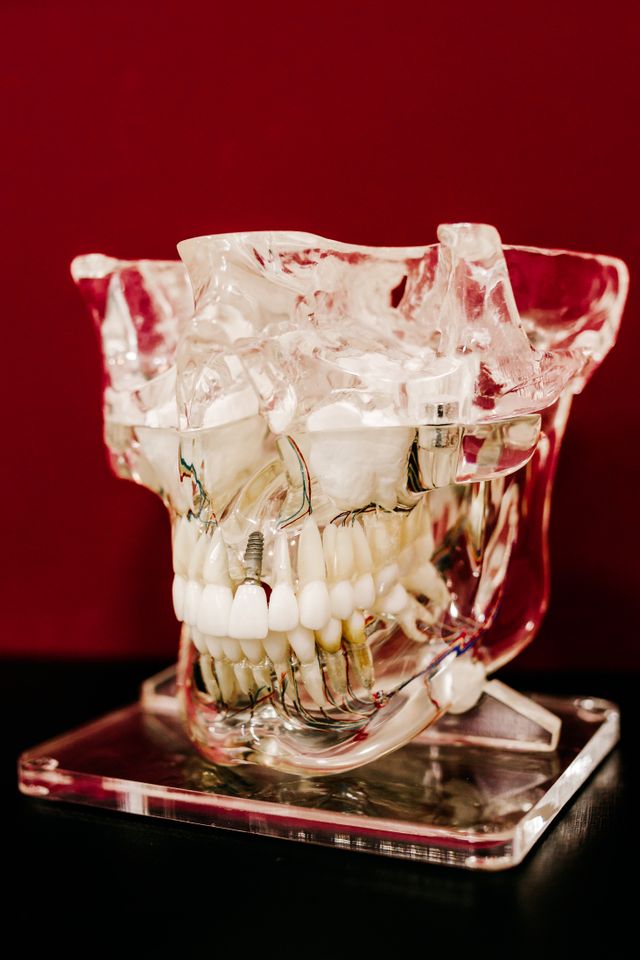
A Ti milled bar implant-supported framework uses a custom-milled titanium bar to support a denture or bridge attached to dental implants. It provides a strong, lightweight, and biocompatible foundation for the prosthetic teeth, offering stability and improved chewing function.
- Fabricated using CAD/CAM technology — precisely designed and milled from a solid block of titanium.
- Connects multiple implants, distributing chewing forces across them for enhanced stability.
- Serves as the substructure on which the denture or bridge is constructed.
- Can support either an overdenture (removable, implant-secured) or a fixed bridge (permanently attached).
- Titanium is strong and biocompatible — durable and fracture-resistant.
- Lighter than traditional cast gold bars, improving patient comfort.
- CAD/CAM allows a highly accurate fit, and frameworks can be concealed beneath the teeth for a natural smile.
Interested in this service?
Send us your case or get in touch — our team replies within 2 hours during working hours.