Implant Crowns & Bridges
Orizin NexxZr T Implant (Direct)
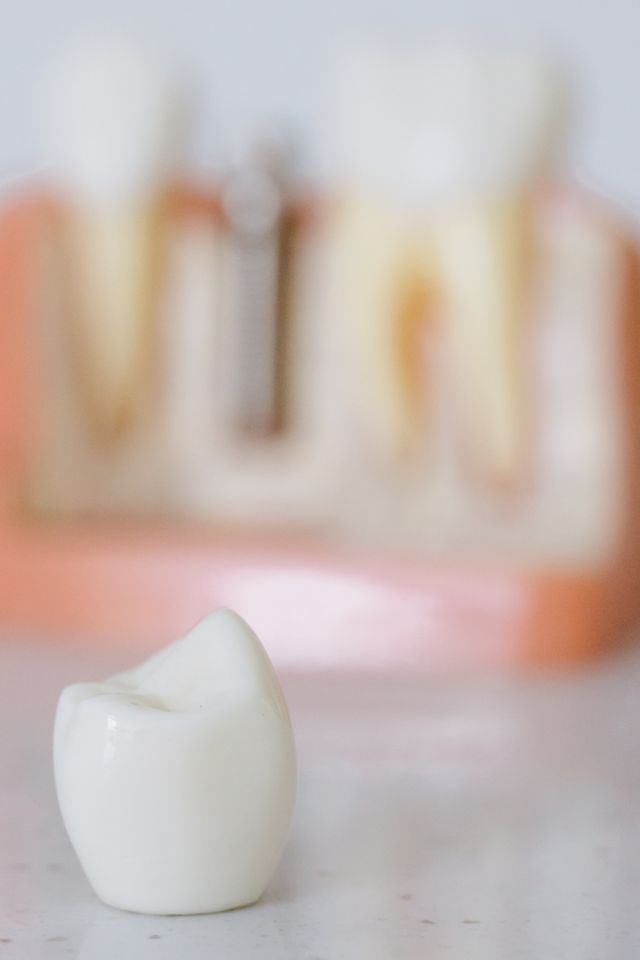
Zirconia dental implants are a newer alternative to traditional titanium implants — ideal for patients with allergies or those seeking a more aesthetic option. They offer excellent biocompatibility and soft-tissue integration with a lower tendency for plaque, though they are more brittle and require a more precise surgical technique.
Advantages
- Aesthetics: white or slightly translucent — avoids the dark color that can show through the gums with titanium.
- Biocompatibility: generally well-tolerated by the body with a good rate of tissue integration.
- Low plaque affinity: zirconia surfaces resist plaque buildup, potentially leading to fewer complications.
- No battery effects: no electrical effects like some titanium implants — a plus for certain individuals.
Disadvantages
- Brittle nature: more brittle than titanium, requiring careful surgical technique to avoid fracturing.
- Technical challenges: brittleness can make implant positioning and abutment connection more challenging.
- Wear on opposing teeth: high hardness may increase wear on opposing natural teeth or restorations over time.
- Limited long-term studies: promising short-term results, but long-term success/survival data is still limited.
Dentsply Sirona / Cercon
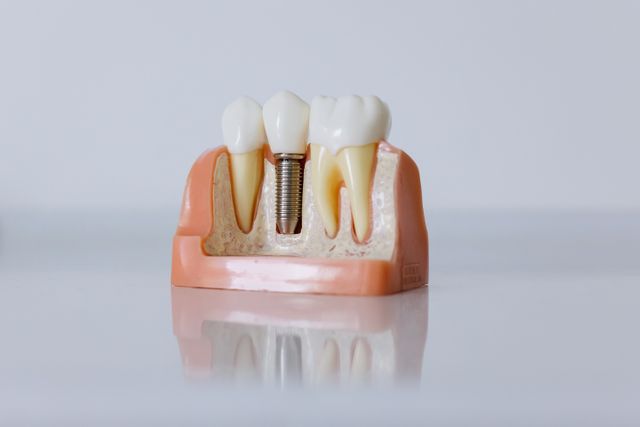
Cercon zirconia implants are all-ceramic implants surgically placed into the jawbone to replace missing teeth. Known for their high strength, biocompatibility, and natural aesthetics, they act as artificial tooth roots that support replacement crowns or bridges — a durable and aesthetically pleasing option for tooth replacement.
Key Highlights
- Provides a stable foundation for the replacement tooth.
- The zirconia material is biocompatible — it doesn’t cause adverse reactions with the body.
- Can be customized to match the natural color and shape of adjacent teeth for excellent aesthetics.
IPS ZirCAD Prime Aesthetic
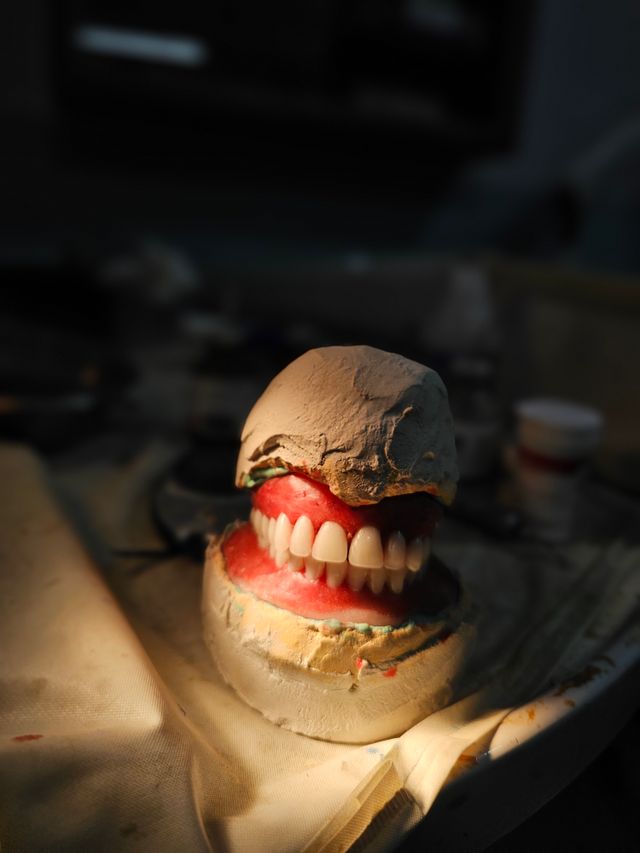
IPS e.max® ZirCAD Prime is more than a full-arch implant-supported restoration material — it’s a symbol of satisfaction for both dentists and patients. With outstanding quality, aesthetics, and production efficiency, the right material and crafting techniques can transform a smile into a work of art in the modern era of implant-supported restorations.
With a flexural strength of up to 1200 MPa and fracture toughness exceeding 5 MPa·m½, IPS e.max® ZirCAD Prime is a safe, robust choice for all indications — from single crowns to 14-unit bridges — optimizing load-bearing capacity, reducing risk, and enhancing restoration stability.
Basal Implant PFM
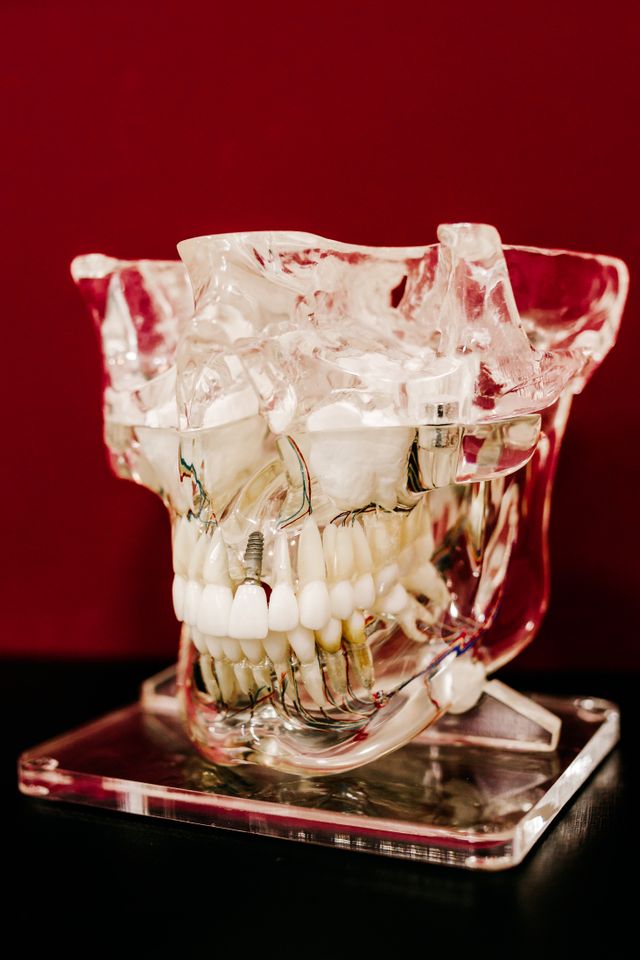
A basal implant PFM bridge combines basal implants — placed in the basal (cortical) bone — with a Porcelain-Fused-to-Metal bridge to replace missing teeth. Often chosen for patients with insufficient jawbone for traditional implants, it uses the stronger, deeper bone layers, while the PFM bridge delivers a durable, aesthetic restoration.
Benefits & How It Works
- Suitable for patients with bone loss or insufficient bone volume for conventional implants.
- May avoid the need for bone grafting or sinus lifts often required for conventional implants.
- Can allow immediate loading — the bridge can be placed shortly after implant placement for faster restoration of chewing function.
- The basal implants serve as anchors for the PFM bridge, providing support and stability.
- The PFM bridge is attached to the implants, filling the gap created by the missing teeth.
- A potentially faster, more stable solution for patients with bone loss who need a dental bridge.
Interested in this service?
Send us your case or get in touch — our team replies within 2 hours during working hours.