Month: May 2025
DMLS TITANUIM PALO MALO BAR WITH ZIRCONIA
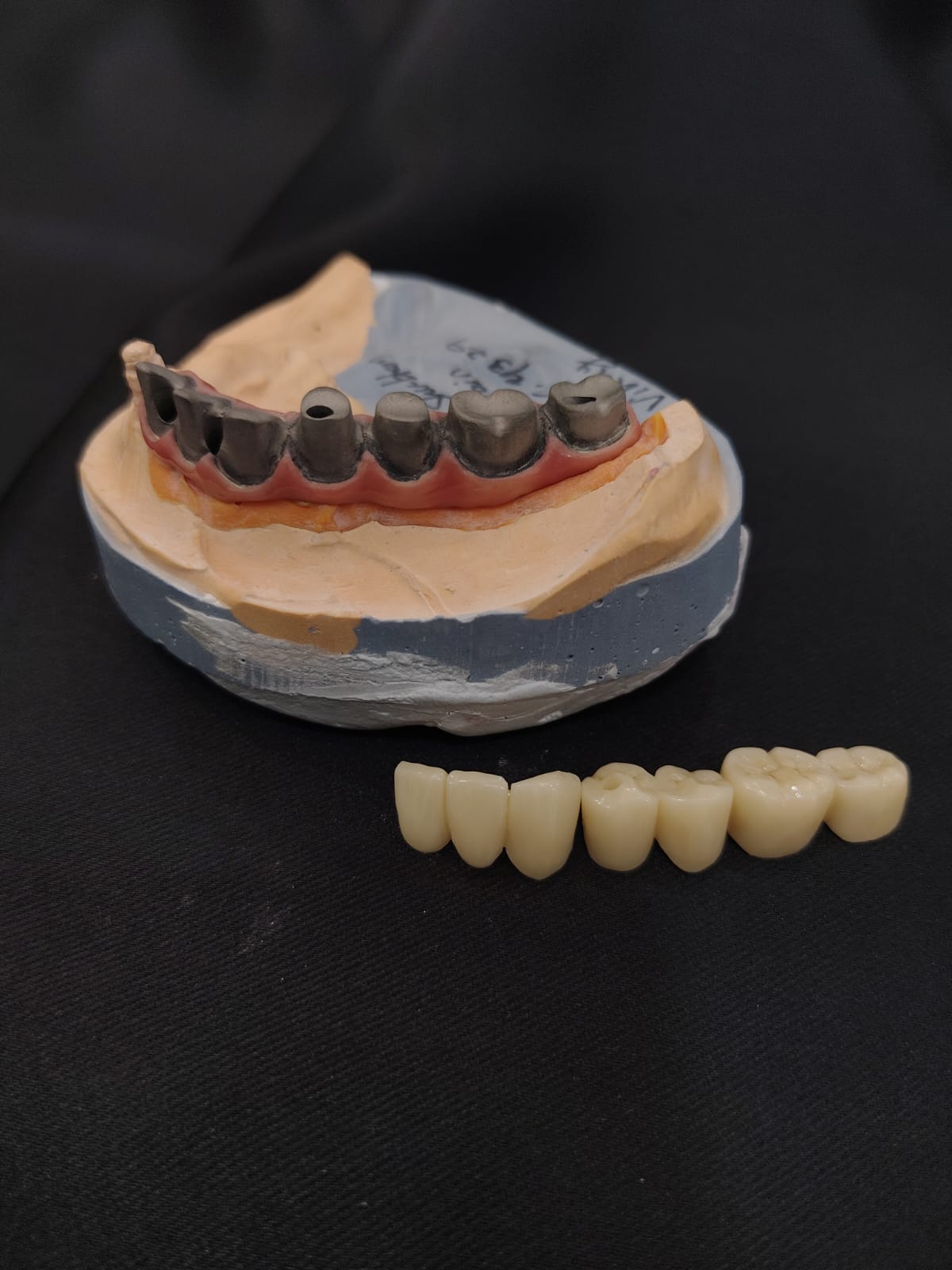
DMLS Titanium Palo Malo Bar with Zirconia is a high-end, screw-retained, full-arch dental prosthesis designed for edentulous patients. It combines a 3D-printed, highly precise Titanium framework (using Direct Metal Laser Sintering – DMLS) with individual or monolithic zirconia crowns, offering superior aesthetics, strength, and durability. This, often called the “Malo Clinic Concept,” allows for immediate, fixed restoration that feels natural, with excellent biocompatibility.A, 3D-printed titanium frame designed using DMLS technology, providing high precision, strength, and a passive fit.
Often customized with a pink gingival porcelain or composite, and individual teeth made of zirconia for high aesthetics. Often used in the All-on-4 concept to provide a stable, long-lasting foundation.
The titanium framework acts as a sturdy core, preventing fracture, while zirconia provides high flexural strength (>900 MPa). Zirconia offers a natural-looking finish, especially in the anterior zone. Resistant to chipping, wear, and staining, often with a 15-year warranty.Safe for patients, with high corrosion resistance.
DMLS technology ensures a tight fit, minimizing potential complications.
ORIZIN ROYAL (NEZZXR t LAYERED LIFE TIME WARRANTY)
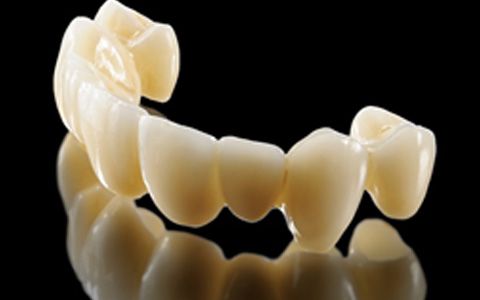
Layered zirconia is a high-aesthetic dental restoration consisting of a durable zirconia core (framework) veneered with hand-layered, translucent porcelain. It combines the immense strength of zirconium dioxide ($\sim$1200 MPa) with the superior, lifelike appearance of ceramic, making it ideal for anterior teeth and anterior bridges where aesthetics and durability are critical
Layered zirconia bridges the gap between the strength of porcelain-fused-to-metal (PFM) and the aesthetics of all-ceramic, offering a durable, natural-looking solution for complex, high-visibility cases.
Zirconia material for crown and bridge fabrication are available with 20, 25,20 and life time warranty* according to qualities and properties of raw zirconia material block.
DMLS CO-CR BREDENT HIPC HYBRID DENTURE
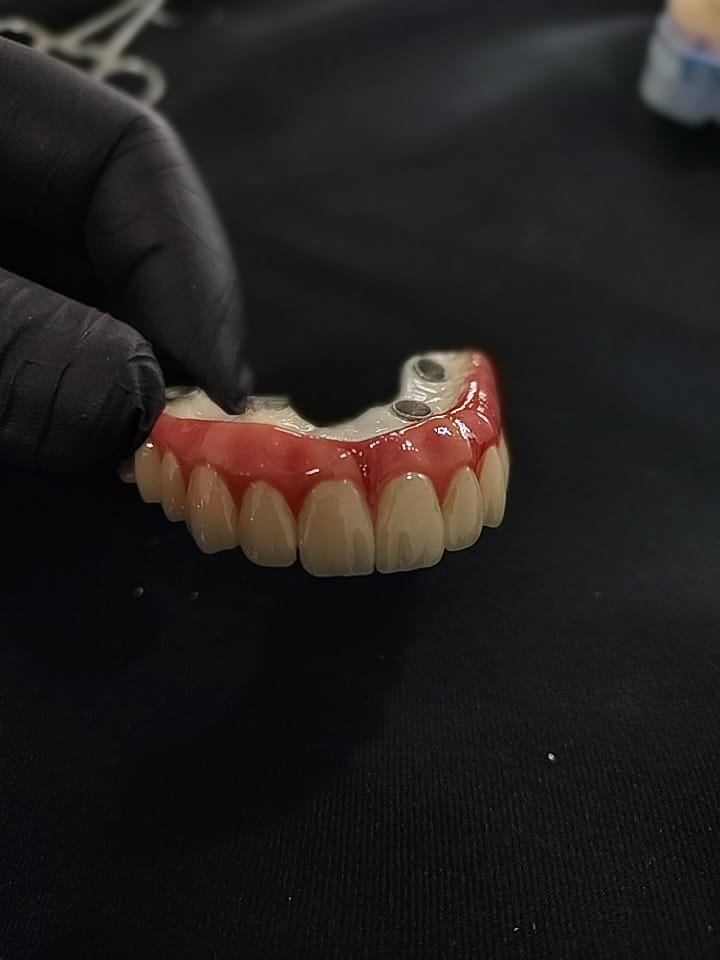
A DMLS Co-Cr Bredent HIPC hybrid denture is a high-precision, implant-supported, full-arch restoration combining a 3D-printed Cobalt-Chromium framework (DMLS) for superior strength with a Bredent HIPC (High Impact Polymer Composite) aesthetic veneer. This combination ensures a durable, lightweight, biocompatible, and long-lasting prosthesis with high fracture resistance.
The foundation is created using Direct Metal Laser Sintering (DMLS), a CAD/CAM technology that fuses Cobalt-Chromium (Co-Cr) powder layer by layer, resulting in a, high-precision, dense, and lightweight metal structure. This framework provides excellent rigidity to prevent breakage.
Bredent’s HIPC is a highly cross-linked, tooth-colored composite material used to veneer the metal framework. It is known for its excellent gingival compatibility, resistance to plaque, and high color stability.
The hybrid aspect refers to the combination of the rigid Co-Cr metal substructure for structural integrity and the tooth-colored, durable HIPC composite for aesthetic prosthetic teeth and gingiva.
The denture is typically screw-retained to 4–6 implants (Malo Concept), providing a stable, fixed solution that does not require removal by the patient.
The combination of DMLS Co-Cr and HIPC offers superior strength and resistance to functional stresses compared to traditional acrylic dentures.
CAD/CAM technology allows for highly customized, precise fitting, minimizing chairside adjustments. The materials are highly biocompatible, reducing the risk of allergic reactions, while the lightweight design enhances comfort.
Bredent HIPC provides a natural tooth shade and gingival appearance.
ORIZIN STANDRAD CROWNS (NEXXZR t ZIRCONIA)

NexxZr T (Translucent) Zirconia (manufactured by Sagemax, a subsidiary of Ivoclar) is a premium, high-strength dental zirconium oxide material used for creating crowns and bridges. It is characterized by a balance of high flexural strength and natural translucency, making it a “standard” or “workhorse” choice for both anterior and posterior restorations.
LITHIUM DI-SILICATE EMAX RESTRORATION
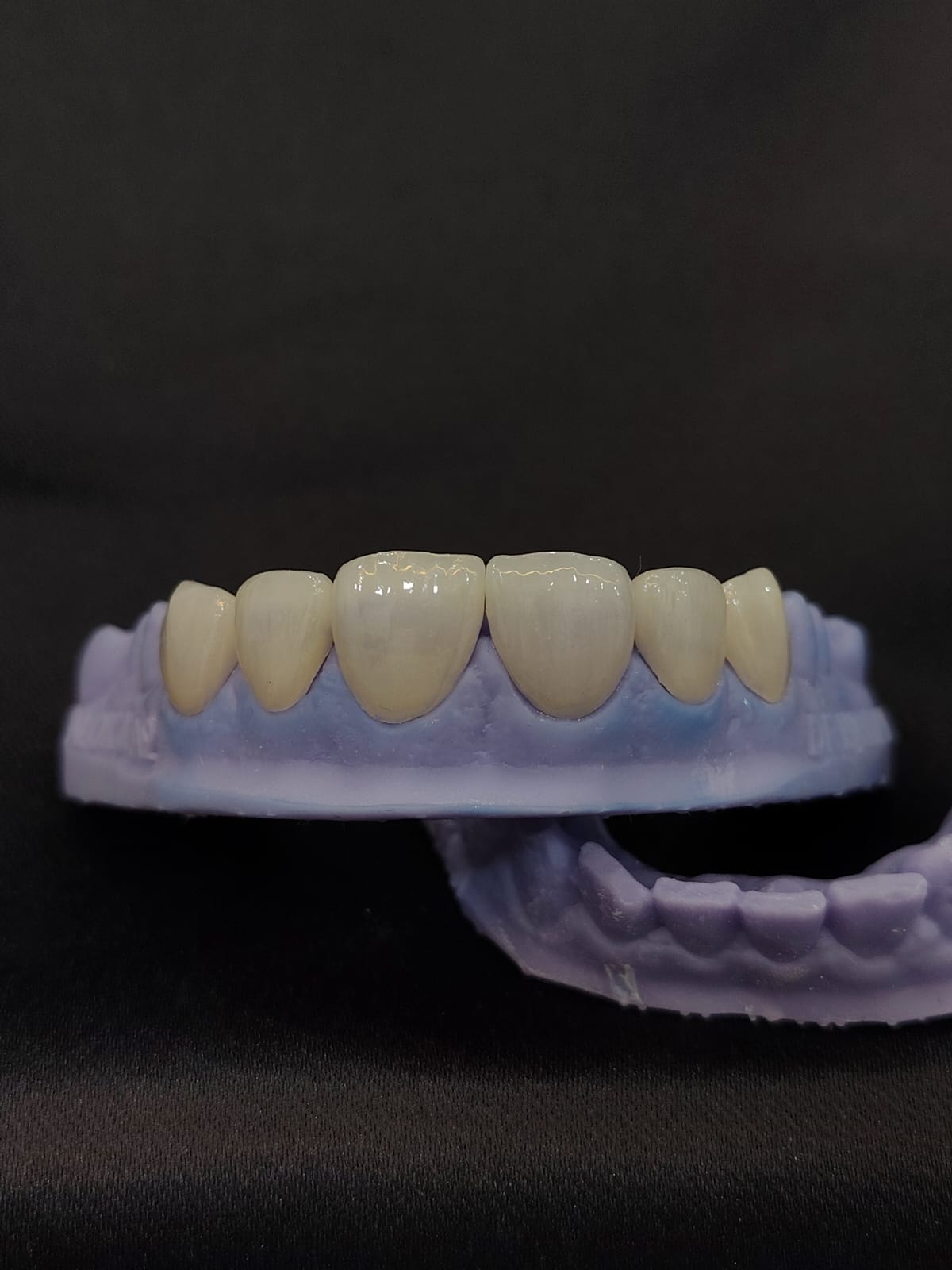
IPS e.max lithium disilicate (LS2) is a high-strength, premium glass-ceramic material (approx. flexural strength) renowned for its exceptional aesthetics, natural translucency, and longevity. Ideal for anterior/posterior crowns, veneers, and inlays, it allows for minimally invasive preparation and is available in multiple translucency levels.
Matches tooth enamel closely with high translucency, opalescence, and light-reflecting properties.
Emax is a brand name that refers to a specific type of Lithium Disilicate glass-ceramic material manufactured by Ivoclar Vivadent. Emax is known for its exceptional esthetics and strength, making it a preferred choice for cosmetic dentists worldwide.
Emax crowns are a popular option for patients seeking natural-looking restorations. They are made from a single block of Lithium Disilicate, which is milled and then customized to match the patient’s tooth color.
Emax is also widely used for veneers, providing a thin yet durable covering for the front surface of teeth. They can be made out of single block or via press. Emax veneers are known for their ability to mimic the light-reflecting properties of natural teeth.
IMPLANT PROSTHETIS WITH PALO MALO

Zirconia with Paulo Malo Framework—often referred to as a Malo Bridge with Zirconia Crowns—is a high-end, permanent, screw-retained, full-arch implant prosthetic solution designed by Dr. Paulo Malo. This prosthesis combines a high-precision, milled titanium, or zirconia framework with individual or multi-unit zirconia crowns to achieve superior aesthetics, high strength, and repairability.
The foundation is a CAD/CAM milled bar, which provides a high-precision, passive fit. Titanium is often preferred for its high strength-to-weight ratio, while zirconia offers a more aesthetic, metal-free base.
The framework is secured directly to the implants (or multi-unit abutments) using screws, making it fixed for the patient but removable by the dentist for maintenance.
Unlike one-piece monolithic bridges, the Paulo Malo approach often utilizes separate zirconia crowns placed over the framework.
The use of high-translucency Zirconia (5Y-PSZ) provides superior aesthetics that closely mimic natural teeth and gingiva.
Digital design (CAD/CAM) is used to ensure precise, high-accuracy fitment. Because the crowns are separate, they create a natural, “depth-effect” appearance, avoiding the “monolithic block” look of traditional hybrid dentures.
IPS ZIRCAD PRIME ORIZIN
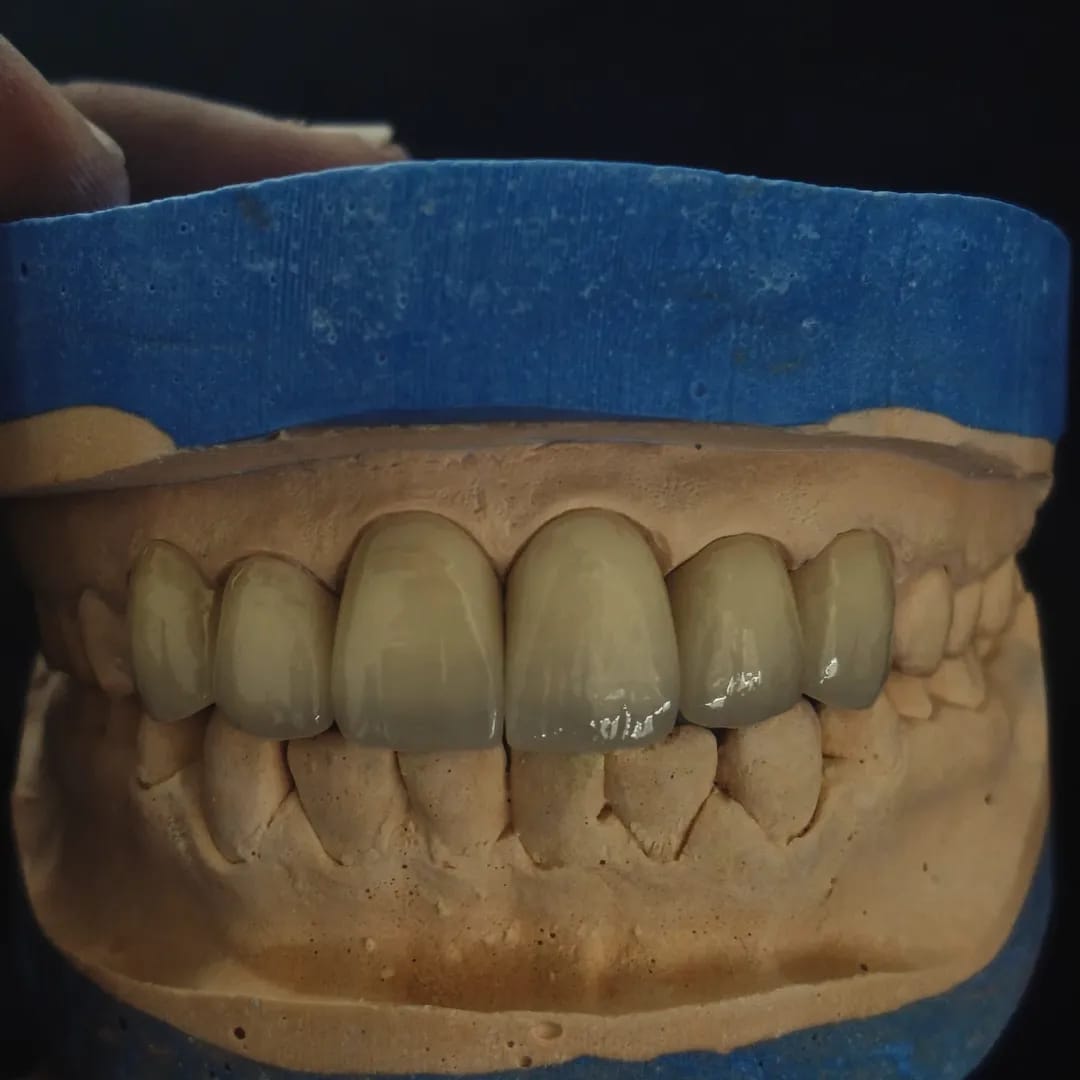
IPS e.max ZirCAD Prime is a premium, versatile zirconium oxide material combining high-strength 3Y-TZP (dentin) with high-translucency 5Y-TZP (incisal) via Gradient Technology (GT) for seamless shade/translucency transitions. It offers 1,100-1,200 MPa strength, allows 0.8mm thin walls, and supports 15-minute speed sintering.
A masterpiece for greater efficiency: IPS e.max® ZirCAD Prime blocks empower you to reach the next level of speed, strength and esthetics in the production of monolithic zirconia crowns. Faster than ever before: Sinter crowns in just 15 minutes with the Ivoclar Programat® CS6 and achieve reliable and esthetic results without any loss of strength.
The revolutionary material ensures exceptional quality and esthetics and covers all dental indications.
Suitable for everything from single crowns to 14-unit bridges.
DMLS TITANUIM BREDENT HIPC HYBRID DENTURE
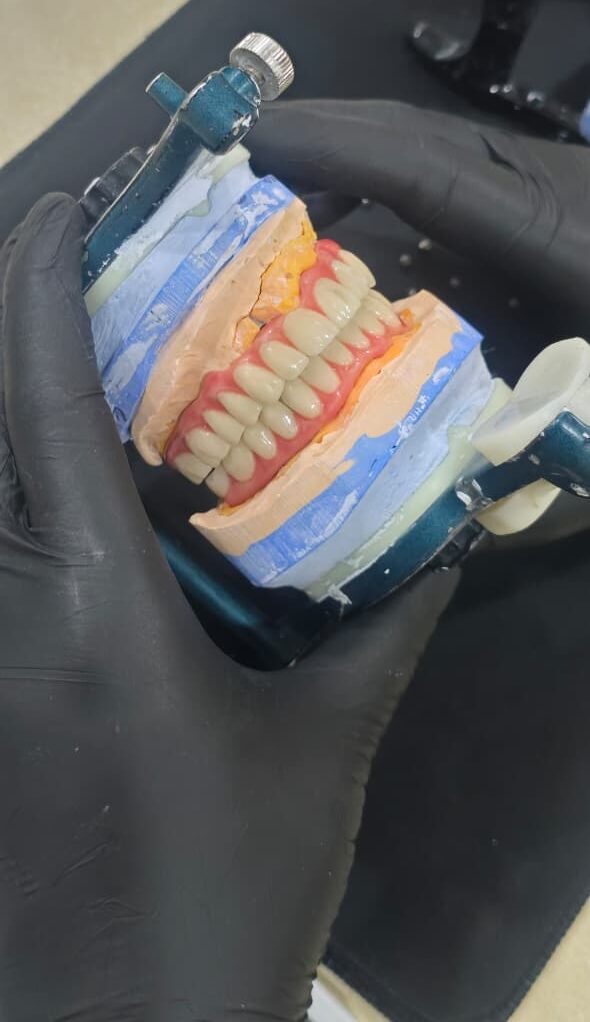
A DMLS Titanium Bredent HIPC Hybrid Denture is a high-end, fixed implant-supported prosthesis designed for fully edentulous patients. It combines a 3D-printed DMLS (Direct Metal Laser Sintering) Titanium framework for superior structural integrity and precise fit with Bredent HIPC (High Impact Polymer Composite) teeth/gingiva for excellent aesthetics, shock absorption, and durability.Produced using 3D metal printing (laser sintering) of titanium alloy powder. It is CAD/CAM designed for extreme accuracy and a “passive fit,” crucial for implant longevity.
Highly biocompatible, hypoallergenic, corrosion-resistant, lightweight, and rigid. Eliminates casting flaws and ensures a perfect, tension-free fit over implants.
This hybrid solution is considered a premium, durable, and highly customized option in modern restorative dentistry.
IMPLANT PROSTHETIS (CASTED)
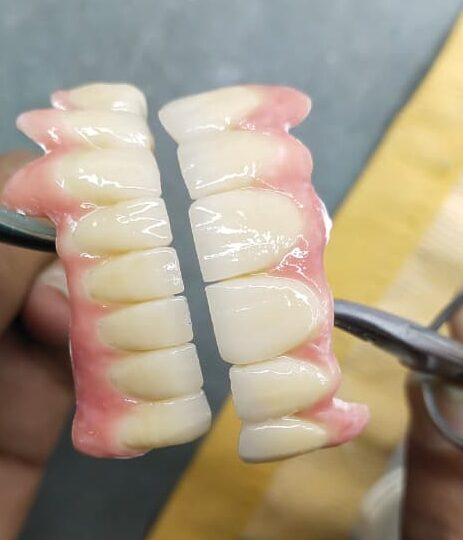
An implant prosthesis (cast/master cast) refers to a highly accurate laboratory model used to fabricate dental prostheses (crowns, bridges, or dentures) that are supported by dental implants. This cast mimics the patient’s mouth, including the exact spatial orientation of the implants, allowing for a passive fit of the prosthesis—a critical requirement to prevent screw loosening, implant failure, and bone loss.
The IPC is a “master” version of a dental model designed to eliminate minor errors that occur during the standard impression-taking process. Because metal frameworks for implants must fit “passively” (without any tension), even a microscopic shift in the model can lead to failure.
To provide an exact intraoral replica of the implant positions. It is used to wax up the framework, verify the fit of a cast bar, and serve as a reliable reference for any necessary laboratory adjustments.
Before the final IPC is poured, a Verification Jig (or Implant Position Record) is often created in the patient’s mouth. This involves connecting temporary components together with a low-shrinkage resin to lock their relative positions in space.
Once the IPC is ready, the actual prosthesis (the “caste” or artificial teeth) is fabricated. These are categorized by how they are secured